


WRITING PROJECT:
Oscar Wilde On Dress
Late Victorians began to contemplate a bold, astonishing idea: that perhaps women might simply be free to dress... freely.
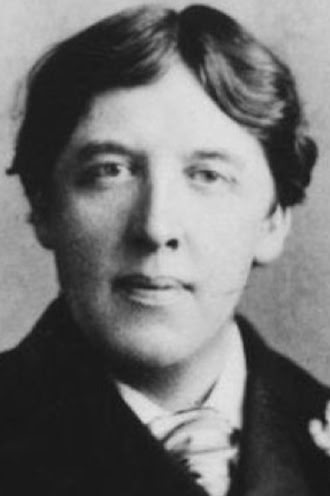
Amidst an unlikely confederation of physicians, clothing designers, feminists, sexologists, actors and artists this wild notion found its most eloquent proponent in Oscar Wilde.
John Cooper discusses Wilde ON DRESS on The Gilded Gentleman podcast.
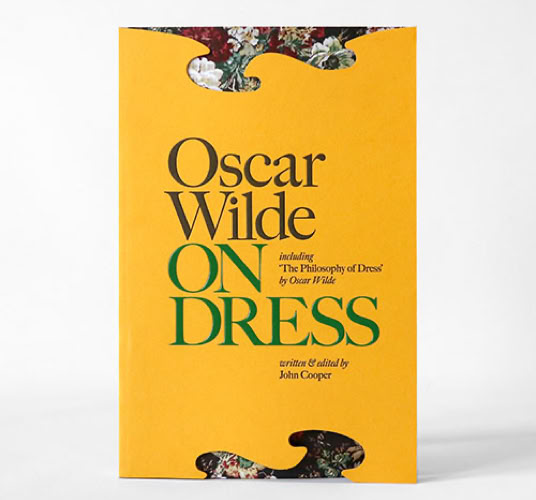
Discover the Book
THE DISCOVERY
The Philosophy of Dress
It is rare that an important contribution by a major author passes by unrecorded by bibliographers, unrecognized by historians, and ultimately unappreciated by the modern reader. Rarer still if the author in question is Oscar Wilde, the famous poet, writer, dramatist, and much-quoted wit, who has remained the subject of continual interest and analysis long past his death in 1900.
As an artist and personality, Wilde is still relevant today, and a virtual industry has built up around him. Hundreds of books have been written about various aspects of his life, and large volumes of scholarly research into his works continue to be published.
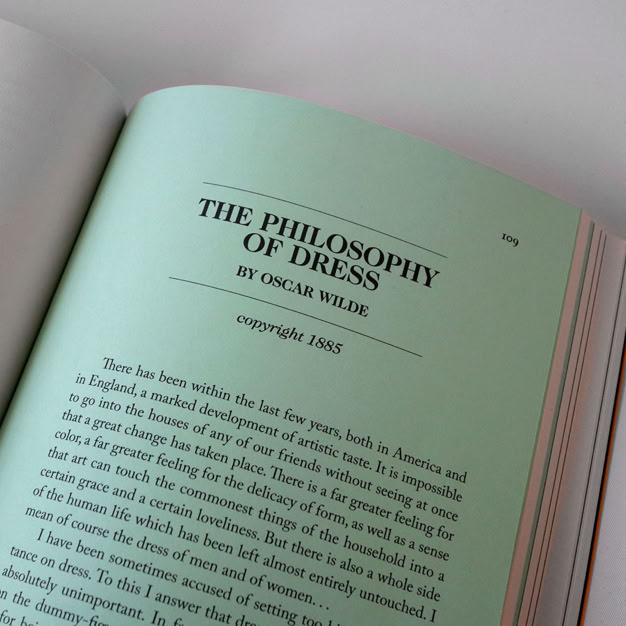
So it would be surprising indeed if a central work by Wilde managed to lie dormant for well over a century. But such was the fate of his essay “The Philosophy of Dress,” which first appeared in the New-York Tribune in 1885.
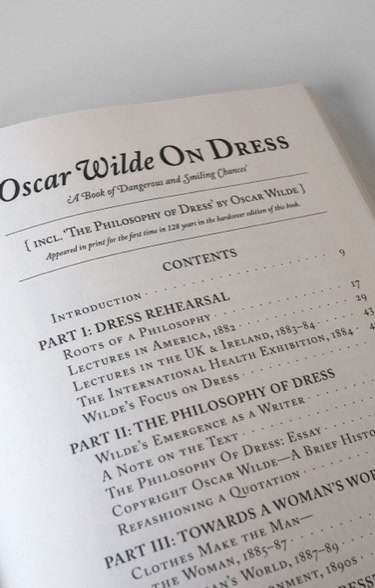
The essay was rediscovered by the present author in 2012 and issued the following year in a limited bibliophile edition book. This was the essay’s first appearance in book form—and the first release of a lost work by Wilde since his death. IN 2025 the work was updated and expanded into the first softcover edition and in 2026 as an ebook .
THEMES EXPLORED
Oscar Wilde On Dress
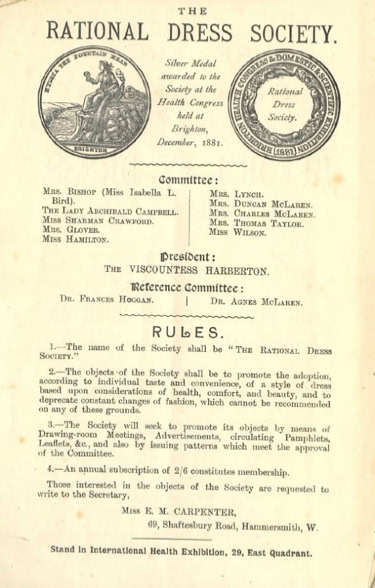
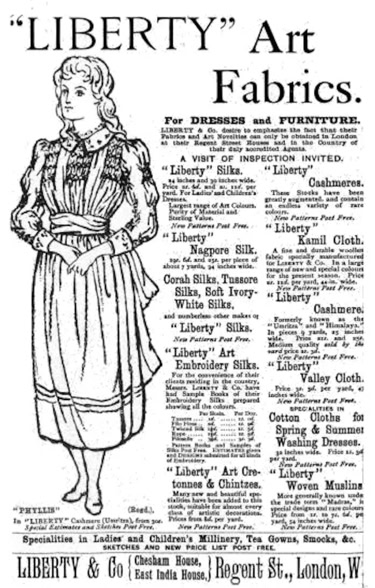
The Dress project is a definitive examination of Wilde’s relationship to dress—an overlooked aspect in Wilde studies—that also constitutes a unique collection of Victorian dress theory.
There is much new and original research, reference to recent scholarly studies in the area of dress and fashion, that analyze the importance of dress in the historical context of Wilde’s career, together with a comprehensive review of the inspiration, trends, and source material that informed his philosophy.
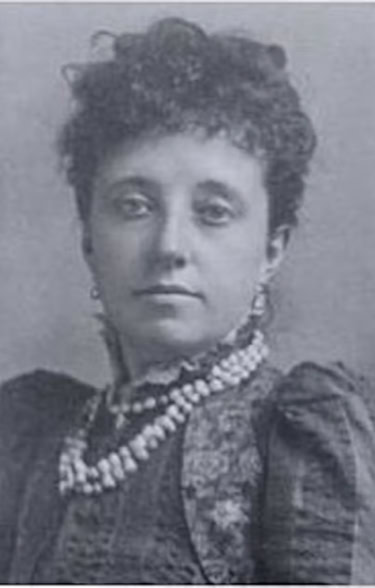
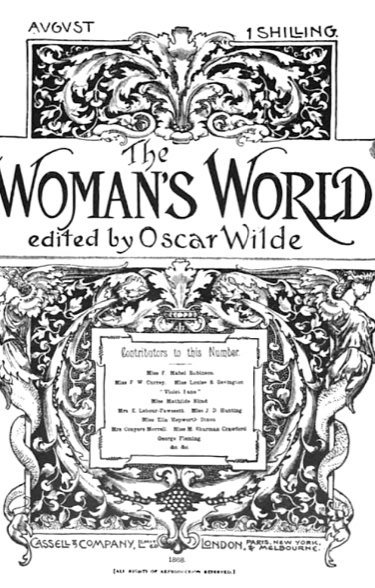
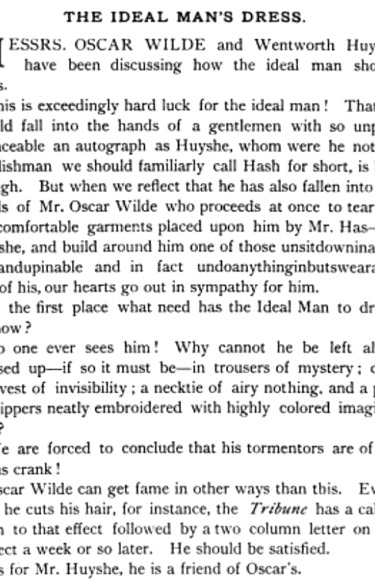
Wilde lost essay, articles and letters to the press by him and his friends, and his wife Constance, and his mother Lady Wilde, formed a public debate on the subject of dress. This led in turn to Wilde’s public “Dress” lecture, which initiated that discussion.
Wilde’s endorsement of the dress reform movement would have been:
—on aesthetic grounds: he advocated aspects of classical dress such as simple and comfortable drapery;
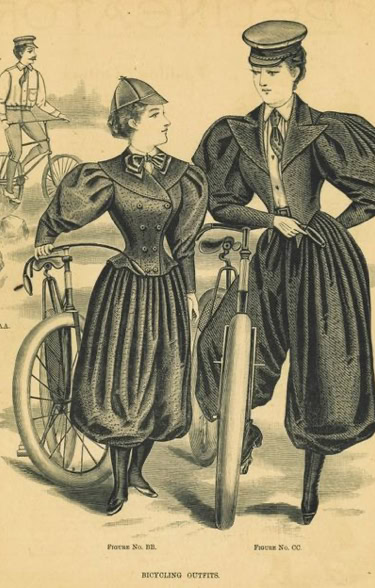
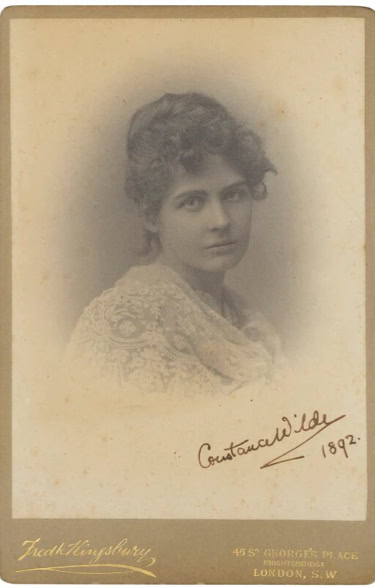
—on practical grounds: for example, he supported his wife, Constance, in her advocacy (and modeling) of the divided skirt, which facilitated an active life for women in pursuits such as cycling;
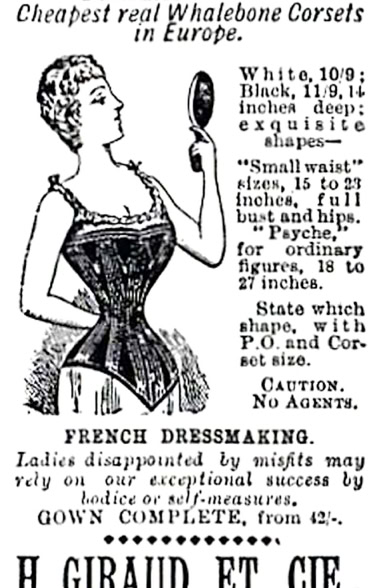
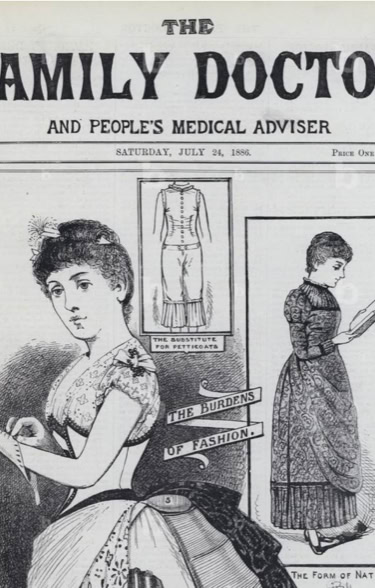
—on cultural grounds: as an advancer of women’s role in society, he agreed with the political contention that corsetry was a device of a male dominance aimed at controlling and sexualizing women.
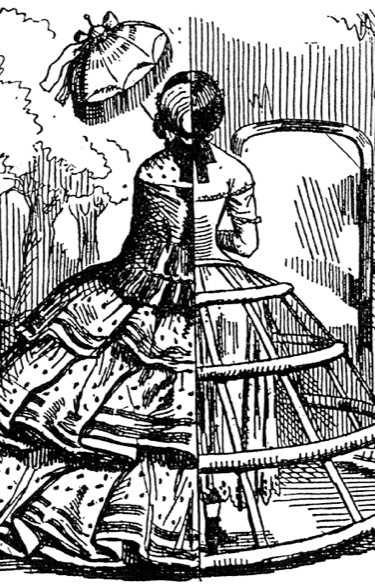
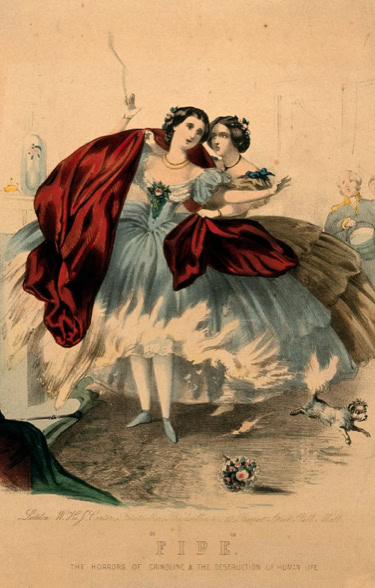
—on safety grounds: in view of the flammability of women’s clothing consisting of horsehair bustles and thick petticoats in an era of open fireplaces. In 1871, Wilde’s two elder half-sisters died after their dresses caught fire at a house party in County Monaghan, Ireland.